Fall is officially a season now


Officially summer is at an end, and fall has begun. Meteorological fall starts on September first in the Northern Hemisphere and March first in the Southern Hemisphere. The birds already knew that, because they have been on the move since late August. The fall equinox officially announcing another fall arrived on September 22 when the sun as perpendicular to the equator.
The predominate focus of fall is maturity and not death. Autumn is a time of summing up; it brings sweetness to the apple and ripeness to grain. Autumn is a time of harvest; this is time of maturity toward which the spring bed, leaf, and blossom reached.
Hickory nuts and acorns are ripe to the delight of squirrels, bears, blue jays, and other mammals storing food for winter.
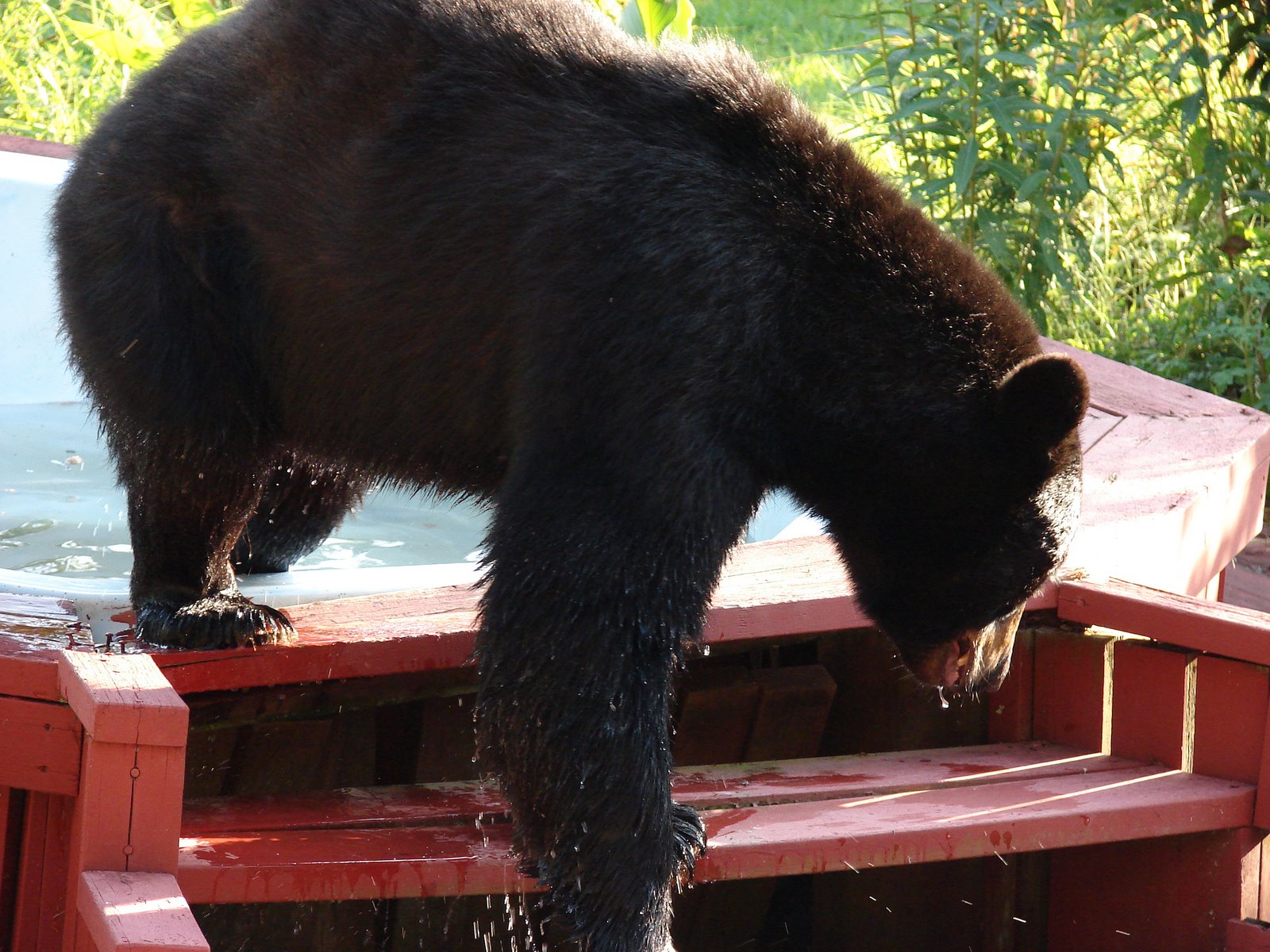
Late September is important to bears, and especially the pregnant females. Research shows that a pregnant female black bear can consume as many as 200,000 berries in a 24 hour period, and as much as 60-70 pounds of food daily. If she hasn’t gained enough weight by mid-November, her pregnancy will terminate, and she will not be able to contribute to the continuation of her species. So the bear feeding frenzy continues through late fall when food becomes scarce, and bears are forced to den.
The fall fogs are a unique bled of mood and weather. You feel the fall fogs on your face and in your hair, and in your mind. It creeps in softly and silently and blows away much like smoke. The birds are serious about their fall migration now. They are restless and gregarious. Although they are always busy, they are no longer full of song.
Hawks are moving through the Valley, riding the thermals above the ridges. If you watch, you will catch them putting on an aerial show that you won’t soon forget.
Most songbirds are through with the fall molt, and have their winter feathers now. Swallows are congregating in large numbers prior to migrating south, and the monarch butterfly migration peaked around mid-September, but there are still a few flitting through the Valley.
Most of the male hummingbirds have already left for the season. The females with this year’s offspring are beginning their journey now. Keep out the feeders for awhile longer so migrating hummers can sip and rest as they pass through.
Flickers are more easily spotted now with their undulating flight pattern.
Now is the time to tempt wrens and bluebirds, and others to the feeders with a treat of mealworms. Mealworms are the larvae of a beetle. The larvae stage of the beetle typically lasts for about 10 weeks, and is a real treat for the insect eaters.
Late September with the chill of its nights lingering into the daytime hours brings new vigor to the season. The fires in the insect world burn low now. Bugs and beetles are nearing the end of their time. However, black field crickets are everywhere. Grasshoppers still leap at you as walk through a field. They are out to warm themselves in the warmest part of the day.
The change in the insect world is most noticeable in the evening. A month ago the tree crickets and katydids made the night vibrate with they sounds. They still rasp, but at a much slower rate. The slowdown will continue as the chill of the season deepens. The first serious frost will silence most of the insects for the season. Then will come the long, deep quiet until another spring. The quiet will become so intense that you can hear a snowflake falling in the night. Listen.
Keep out plenty of fresh water for drinking and bathing.

Owl photographs are by Tony Dills

Meteorological fall vs. astronomical fall


Meteorological fall started on September first, but the astronomical fall begins next week on September 22. The birds and animals know when fall is starting, and don't have to have a calendar to tell them.
Temperatures in the mountains generally being to moderate around the first of September, and summer lessen its grip. Temperatures during the day may reach 80, but the nights cool into the upper 50s. Next week, the first cold snap of the season is forecast.
Birds have molted, and have all new feathers now. They are congregating in large groups in staging areas, getting ready to make their annual fall migrations. Hawks ride the thermals daily heading south. Mother Nature is a bit moody this time of the year, and furnishes the mountaintop residents with splendid views of the Valley. Bill Altorp, nature photographer, caught one of Mother Nature's change of season moods.

Fall is knocking at the seasonal change gate


September in the mountains brings gorgeous butterflies to sip nectar from the flowers. The swallow tails seem to be the predominant flying jewel on the mountaintop. The oppressive late afternoon heat seems to not bother them. They puddle a lot.

You will find butterflies gathered on moist spots in your garden, or around the earth close to a birdbath that has just been filled. Butterflies sip the moisture and minerals from the moist earth that they need. It is predominately males that puddle, seeking salt and minerals which they pass to the females during breeding.

If you want to watch butterflies puddle on a regular bases make your own puddle. Fill a medium size plastic flower pot saucer with sand and add water until the mixture become soggy. Select a spot where you can easily watch the butterflies.

Dig the bowl into the ground to a level that is flush with the surrounding dirt. Add about a tablespoon of composted manure or other compost to the sand. You can add a pinch of salt to attract the male butterflies. Include a few rock or clam shells for the butterflies to sun bathe on.

Butterflies also like bits of over ripe fruit such as bananas, apples or pear slices. Leave the fruit supply at least a day so it will ferment. Butterflies enjoy sipping fermented fruit. Do they get a bit tipsy, maybe. Birds do when they eat too much past it prime fruits.

Butterflies puddle from a few seconds to an hour or more.

Contrary to what you may thing, butterflies do not puddle to cool off. They enjoy shady places for resting and cooling. Butterflies, especially males, like to congregate at a favorite puddling site. Maybe they catch up on the latest male butterfly gossip. Keep your puddling spot soggy to attract the most butterflies.

Notice that you rarely see butterflies on cloudy days. Insects are cold-blooded and can’t regulate their body temperatures like humans can. They also need protection from wind, weather and predators. They seek out shady places like shrubs or vines where they sit to keep warm or to cool. There are butterfly feeders that can be purchased to provide nectar. I don’t recommend them for mountain butterfly lovers. The bears enjoy the nectar also, and destroy the feeders, just as they do hummingbird feeders.

The leaves that are turning and falling are due to heat stress. Fall will arrive on time as it has for eons. The stressed leaves and trees do not signal an early fall. The early defoliation that some trees are undergoing now is common when they are under stress, and summer season of intense heat has been challenging for young and old trees. The recent intense heat and humidity has made it difficult for plants to keep up with water and cooling requirements.

Watch for flocks of nighthawks flying around street lights. Waterfowl migration is beginning, and Monarch butterflies will begin their annual migration starting in late August. Early warblers are winging their way through the Valley. Broad wing hawks start moving south in late August to wintering grounds in the tropics. They are easy to spot with their thick bodies and rounded tails. They ride the air thermals conserving energy to sustain them during their long journey south. The hawks start flying between 9 and 10 a.m. when the air is warm.

Keep out plenty of fresh water for drinking and bathing. This is a time of molt for songbirds, so there is a lot of bathing.

May you always hear the whisper of wings.

Photo by: Tony Dills

September brings out hungry bears on the prowl


The bears in the Swannanoa Valley are on the move looking for food anywhere they can find it. Their natural foods are in short supply this year.

About 75-85 percent of bear diet is vegetable matter. They feed on clover, dandelions, chokeberries, pin cherries, wild plums, blueberries, hazelnuts, acorns and whatever else is available in nature. They also enjoy the larvae of ants, bees and hornets. When natural food becomes scarce, bears seek human food scraps and pet foods.

This year many of the oak trees stressed by prolonged heat dropped immature acorns early, meaning in some spots the mainstay of the bear’s fall diet will be in short supply. Also, the wild blueberries were also few and far between this year. Mid-August is the time when bears enjoy the high sugar content of wild berries. The berries make up the soft mast for wild creatures.

Hungry bears are beginning to search from dusk to dawn for food, and any food will do.

Pick up pet food dishes, do not put out bird feeders, and don’t throw left overs and scraps out for wildlife. Bears associate people with food, and will hang out around humans as long as they find food.

Goldfinches are beginning to molt, and the beautiful yellow and black colors are giving way to the more drab ones of fall. As soon as fledglings leave the nest, goldfinches begin to undergo a complete molt which requires a lot of energy and nutrition. They have an insatiable appetite for sunflower seeds.

The goldfinch is often referred to as a wild canary. It isn’t a canary at all. It is a finch. It is the latest nesting songbird in the Valley. It isn’t until the thistle provides down to line the nest, and seeds to eat that the goldfinches nest. Their favorite seed is black oiled sunflower.

The male goldfinch loses his bright yellow summer feathers, and grows winter ones which turn his color into an olive color. The female is a dull yellow and brown all year long. Her feathers become brighter in the summer months.

Sunrise comes later now, and dusk creeps over the mountains earlier in the evening. Since the summer solstice on June 21, we have lost an hour and a half of sunlight already. It is only about a month now until the fall equinox arrives on September 23. On that day, night and day are equal in length. The year has turned noticeably.

Summer steals away as dusk settles in the valley earlier each day. Step outside at dark and listen to the night criers. September nights continue to be noisy, with insects playing their tunes.

Keep out plenty of clean drinking and bathing water for the birds.

May you always hear the whisper of wings.


Photos by Bill Altork

Late July belongs to new birds

From mid-July to August is a time in nature when new birds are everywhere.

Young starlings just out of the nest hop awkwardly from limb to limb getting their bearings as fledglings. Speckled robins and brownish redwings are plentiful too. It is only a few short weeks from the nest to the first migration.

This is kindergarten for the fledglings. They have to learn their lessons quickly, and be adapt at applying what they learn, if they are to survive. The first year of a bird’s life is the most dangerous.

Temperatures in the Valley climb into the low 90s, bringing record setting humidity levels. Plants love such conditions, and the birds don’t seem to mind. Summer time in the mountains brings almost daily thunder storms. Sometimes on the mountaintop it is just high hot winds whipping the tree limbs into frenzy, but no rain. Mother Nature will invariably dump the rain into the Valley.

Now is hummingbird time. As the heat mounts, there is suddenly an airy swish and a ruby-throated hummingbird has arrived to inspect the butterfly bush blossoms, and the summer phlox is another favorite. The trumpet vine that persists in spreading is another attractor.

Scientists have determined that when a hummingbird hovers, its wings beat some 55 times a second. When it moves backward, they beat 61 times a second. When the tiny jewel of the air is cruising at top-speed, the wings beat 75 times a second. It is hard to believe that the tiny bird flies over 500 miles over open water when it crosses the Gulf of Mexico during migration. It is a non-stop flight. The tiny hummingbird is one of the gifts of summer that never cease to fascinate bird lovers.

Female hummingbirds select the nest site, build the nest, tend the eggs, and care for the babies. She will not allow the male near the nest. Occasionally a female will return to last year’s nest. Rather than use the old one, she will build a new nest on top of the old one. She feeds the babies, usually two, regurgitated insects, and not the nectar that she eats.

Black bears are winding down from their mating season by the end of July, and then attention is turned to food. They begin to feed heavily to put on fat for winter. It is a record setting year for ticks. Check your pets, and yourself, especially when you have been outside for any length of time. They can carry diseases, cause anemia or even paralysis.

Ticks are parasitic arthropods that feed on the blood of their hosts. They are attracted to warmth and motion. Once the tick is attached, it will not let go until its blood meal is finished. Remember, by no means to all ticks carry disease.

Remove a tick from your skin or that of your pets as quickly as possible. Using fine-tipped tweezers, grab the tick as close to its mouth which will be the part that is stuck in your skin. The body of the tick will be above your skin. Don’t grab the tick around its bloated belly. You could push infected fluid from the tick into your body if you squeezeit. Gently pull the tick straight out until its mouth lets go of your skin or pet’s skin. Do not twist or try to unscrew the tick from your skin. You do not wish to separate the tick’s head from its body, and leave parts of its mouth in your skin. After the tick has been dislodged, wash the area of the tick bite with a lot of warm water and soap. Antibacterial soap will help.

Symptoms of infection from a tick bite should be taken seriously. See your doctor if anyof the following symptoms appear: pain, swelling, redness or heat around the area, red streaks leading from the area, infection draining from the area, swollen lymph nodes in the neck, armpit or groin, and fever or chills. Take a tick bite on you or your pet seriously.

Keep out plenty of water for drinking and bathing. During the hottest days of summer, change your bird water at least daily, and clean out bird baths.

May you always hear the whisper of wings.

The sounds of insects are beginning to define summer

Notice how summer mornings are beginning to become quieter? Many birds are finished nesting, with some completing their second clutches.

Now the sounds of nature are becoming more noisy than musical. It is the sounds ofsummer insects. In the heat of the day cicadas will being to drone on endlessly. Often you will hear large numbers of cicadas sometimes singing in synchrony. They literally pulse from soft to loud and than recede back to soft again. They can lull you into an afternoon nap.

The dog day cicada and the dog days of summer are named for the time of year -- July and August. The star Sirius of the constellation Canis Major –the big dog—is bright in the summer night sky.

The best time to hear summer insects is after dark. It is then that katydids take center stage. Katydids are large green grasshoppers. They are drawn to porch lights. Their green wings are textured, giving them the appearance of leaves. They also have extremely long antennae that arch backward over the length of their bodies. Males sing from early evening well into the night. Their song is non-musical at best...

The voice of the black field cricket is heard from now until frost. Sometimes it is no farther than a corner in the house. In the middle of the night, a cricket in the bedroom can drive a sane person off the rails.

Katydids, crickets and grasshoppers produce their sounds by a mechanical process called stridulating—literally rubbing one body part against another.

Fall webworms are becoming more visible daily. Silk tents are showing up in a variety of shade trees. Caterpillars live inside. As the caterpillars feed and grow, they make the web larger to cover more foliage. When full grown, they drop to the ground to pupate.

The eastern tent caterpillar is sometimes confused with the fall web worm. The tent caterpillar is out in the early spring. Likewise, don’t confuse fall webworms with gypsy moths, which do not make tent-like webs in trees.

Honey bees are busy traipsing from flower to flower. They ensure the food crops and flowers are pollinated. If you step on a honeybee it will sting you. So slip your feet into some shoes before walking through the grass.

Fireflies are becoming more plentiful each evening. They produce light by a chemical reaction. The Blue Ghost fireflies are different from the more ordinary ones that flash their signals back and forth throughout the summer. The blue ghosts glow continuously.

They are mysterious because most people have never seen any and don’t know they exist. The center of their distribution is in the Southern Appalachians, ranging from eastern North Carolina to northern Florida and into Virginia. The DuPont Forest has a good population for viewing. The best place locally to see them is in Transylvania County.

They require high humidity, and dense tree coverage. If you go out in your own back yard in a wooded area, you may see them.

The blue ghosts are about the size of a grain of rice, making them smaller than the more ordinary fireflies. The mysterious nature of the creatures is fascinating.

The praying mantis can be startling to look at, until you examine it closer and find out what a unique creature it is. They eat other insects, which can make them beneficial to most gardens. For an insect, they tend to make fairly good pets. They can live up to three years in captivity.

These are only a few of the most common summer insects. There is a litany of bugs in your yard.

Enjoy the world of insects in the summer heat. They will be gone at the first frost. Keep out plenty of water for drinking and bathing.

May you always hear the whisper of wings.

Springs here-ready or not

Backyards across the Swannanoa Valley will soon be even more crowded with the birds of spring and summer. They are much like receiving old friends come to stay for awhile.

The tiny bits of fluff and feather have usually flown thousands of miles to reach local back yards, after spending the winter in Mexico, Central America, or South America, where days are warm and food is plentiful.

Many of the birds that nature lovers consider their birds spend less than half of their lives locally. They move north as the snow melts and raise their young on an endless supply of insects that are abundant only during the spring and summer months. Spring migration has a hint of urgency to it, where fall migration can be a drawn out affair with flocks of birds stopping to rest and eat.

Research shows that a surprising number of bird species are arriving earlier, and are shifting farther to the north. Scientist believes that climate change caused by greenhouse gases building up has disrupted the timing of migration, and sends some species farther north for insects.

Winter has officially passed regardless of sudden snow flurries, cold winds, and whatever else a tantrum from Mother Nature may produce. Spring seems to be a delicate season, but the frenzy of choosing nest sites, mates and producing a couple of broods of babies in a few short months prove that image wrong.

Bird houses should be clean and ready to be chosen as this season’s home for a pair of nesting songbirds? New bird houses should already be up.

Spring is a season that is all dressed up in colorful finery and definitely has places to go. Birds become more easily to recognize as individuals dressed in their spring plumage. There are so many tasks confronting spring time birds that it is a wonder that they don’t suffer exhaustion. They have to decide how often and what to sing, whom to mate with, nest site selection, and when to start nest-building. The female lays eggs and incubates them, producing hr first brood in a couple of weeks after incubation starts. The babies stay in the nest and fledge after about a month, and then the process starts over again for the second brood.

Egg laying is intense and energy demanding. The female needs to be in peak condition, and must have more than an adequate source of daily food. That can be an “iffy” situation in March, since natural food sources are still scarce in the Valley. Generous handouts from bird lovers can make a big difference in the survival rate of the adult birds as well as the babies. Keep the bird feeders full of high quality seeds, and plenty of water for bathing. Feathers must stay in good condition until the molt starts in August.

If you have a chance to watch a pair of birds build their nest, consider yourself fortunate. It is quite a production. Usually sunny mornings are the best viewing time.

It is time to anchor the free roaming felines for another baby season. Collared cats with bells jingling are not a warning to baby birds in the nest. They don’t know what the bell is, and they can’t fly, so they are an easy mark for a cat. Adult birds are busy building nests, and looking for food, and sometimes get surprised by a stalking feline. Do the birds a favor, and keep the cats inside until breeding and baby season is over.

Daylight saving time has arrived to optimize the daylight hours in the Valley. Theoretically it results in use of less energy and electricity. People are able to take advantage of more daylight hours and sunlight rather than burn electricity.

How does daylight saving time affect nature? It is not biological, but rather political, so it does not affect the wild creatures.

Bears are up and about, fat and sassy, having obviously not suffered a hard winter. Wood ducks are already nesting. Screech owls are beginning to nest. Mourning doves are nesting, and some early migrating hawks can been seen. Male red wing black birds are beginning to retune to area pond sites. Flocks of robins are showing up through the Valley, bathing in puddles and looking for worms.

May you always hear the whisper of wings.

March is still winter with a touch of spring in the mountains.

March in the mountains is usually a time of tumultuous wind, and erratic weather patterns, producing spring like days with lots of sunshine, followed by days, dropping into the pits of winter with snow. Branches flop together like the slapping of ropes on ancient sailing vessels. March winds make a wide variety of sounds from hissing to booming in a stand of maples.

The wisteria seeds have already popped. They explode like a cap pistol and then something like a small rock hits a window or a thump against the side of the house. The annual barrage of the wisteria seeds propagates the mountaintop’s ancient wisteria vine.

The seed pods are about half a foot long, brown, stiff, velvety on the outside and hold from four to eight seeds. Each seed I somewhat round, about half an inch in diameter, flat on one side and curved slightly, like an airplane wing on the other. They are hurled a good distance from the mother vine. What triggers the wisteria seed cannonading involves age, humidity and temperature.

The trees and mini-pools created by recent downpours are playing host to flocks of the harbinger of spring-male robins by the dozens. The females will follow in a couple of weeks. The early robins feast on left over fruit still clinging to the trees. Along with visiting cedar waxwings, the fruit will be gone soon.

Sap is beginning to rise, regardless of what the thermometer says. When sap starts up, it means spring is close. That moves man closer to the spring equinox, the buds and the leaves of spring itself. It also means winter has a definite end.

Each day the sun rises a little earlier and sets a little later signifying that earth is turning as usual, on its axis and in its orbit.

Twilight is one of my favorite times of the day. It has the glow of the departing day, giving it a special beauty all its own. It is neither sunlight nor star shine, nor moonlight. It borrows from all of them. The air of twilight is brittle this time of the year. But the light itself is soft and elusive.

Listen for the voice of the red fox with its sharp staccato notes in the darkness. The jays and crows of daylight are silent, ending their day at dusk. The great horned owl has a mournful wail, which is less ominous at dusk than it is at midnight. This prelude time to night is a special interval, enjoy it.

More and more birds join the pre-dawn chorus just at the break of day. There is nothing happier than an early morning wren and a tiny chickadee. They greet the sunrise with exuberance.

Male raccoons are courting females from now through March. Fox kits are born now. Screech owls are beginning to nest, and spring waterfowl migration is in progress. The northern migration of hawks is also in progress. Bluebirds are still scouting nest sites, and some have begun to build nests. Have you cleaned your boxes? It is time. Listen for the spring peppers to begin calling, Bear cubs are making humming sounds as they nurse in the dens. Watch for the reappearance of chipmunks on warm days. Male black bears will be and about by the end of the month. All herald a new season beginning to start.

Keep out plenty of fresh water for songbird bathing and drinking.

May you always hear the whisper of wings.

Photo: Tony Dills

December is the year in age and wisdom

December is summation of all the years’ completions. The month is like an older woman with starlight frosting her hair and snowflakes brushing her cheeks. A holly sprig tucked in her hair tells one that she is as young as the morning, and the look in her eye says she is as old as time.

December is bare tree limbs and lacy green evergreens. It is rustling flower stems in the garden and ruthless wind whipping over the mountain. It is seedling maples from two years ago clinging to a stray leaf of two.

It is stiff tailed half grown squirrels scrambling up a giant oak tree. It is mask-faced coon in a moonlit garden feasting on what is left of the corn. They listen for the hounds.

It is ice in the creek and moss covered rocks.

December is flocks of chickadees through the night.

December brings frost to the mountains like cake icing.

It is the Winter solstice, bringing the shortest day of the year.

December is a hungry owl and a rabbit on the run. The groundhog has already sought its winter bed, and the crows are recongregated proclaiming their presence loudly at the first crack of dawn.

It is winter wrens singing at first light, greeting dawn with melodious song.

The spectacular colors of fall now litter the forst floor. The quiet tones of winter dominate the landscape now.

Occasionally there is an accent of winter berries.

December is one of the short months. It doesn’t have 31 days such as they are. The Thanksgiving turkey has vanished, and then there is the Christmas tree waiting to be trimmed, and then New Year’s Day is knocking on the door, announcing the start of a new year.

December has only 288 hours of daylight. That is counting even the overcast days with the sun sulks behind masses of clouds. A December day is nine hours of daylight with just a few minutes left over morning and night. Then there is 15 hours of darkness.

It is approaching chickadee weather in the mountains. They enjoy cold nights, chilly days, and a bit of flying snow, and they will flock to your feeders. They are jaunty little beggars willing to pay for their handouts with hours of antics and entertainment. A full grown chickadee rarely weighs more than a half an ounce. Inside the feather covered tiny body is a heart that beats some 700 times a minute. On a cold day it must consume enough food to equal its own weight to keep its inner fire burning. Chickadees enjoy a generous helping of sunflower seeds.

Keep the water containers filled with fresh water, and be generous with your feathered friends.

May you always hear the whisper of wings.

May is a magical time in the mountains


The fires of spring glow brightly in the mountains. May is truly a time of hope and promise, with bird song at full throttle.

May is the month when spring finally springs in the mountains. Suddenly, there are flowers everywhere, with more trying to bloom each day. It is a time when gardeners must dig in the dirt.

There is tilling to be done, fertilizing, and raking the dirt.

Once the garden is tilled there are earthworms to the delight of the robins.

Earthworms are tireless tillers of the soil, and their castings are the richest and best of all fertilizers. One can never have too many earthworms in the garden. They need moist soil in which to survive. During dry periods, they receded deeply into their burrows, which can be as deep as six feet.

If you want to increase the numbers of earthworms in your garden, add more organic matter.

Bears are up and on the move, even the mothers with cubs. Don’t leave out the bird feeders past 4 p.m. It is useless to rant at a bear raiding the birdfeeder. All you get is a mangled bird feeder and a non-impressed hungry bear.

Bears become used to people, birdfeeders, dogs, and noises that they hear frequently. It is up to humans to take the proper precautions when living in bear country. You can live with bears without encounters.

The North Carolina Wildlife Resources Commission recommends:

* Securing bags of trash inside cans stored in a garage, basement or other secure area. Place the cans outside, as late as possible, on trash pick-up days. Do not set out the garbage the night before and expect neighborhood dogs or bears to leave it alone.
* Purchase bear proof garbage cans or bear proof your existing garbage containers with a bear proof latching system.
* Black bears are rarely aggressive toward people, but they do become bolder when they are accustomed to people.
* Stop free feeding pets outside. If you must feed pets outdoors, make sure all food is consumed and empty bowls are removed.
* Do not throw table scraps outside. A bear will literally eat anything.
* Clean all food and grease from barbecue grills after each use. Bears are attracted to food odors and will investigate. It is not unusual to find a bear licking an uncleaned grill.

Contrary to what many people believe, wildlife employees will not trap and relocate bears, because this would simply relocate the problem, rather than solve it.

Pups, cubs, chicks and kits are welcome signs of spring in the mountains. You may be tempted to pick them up or feed them, but it is against the law to tamper with wildlife.

Capturing and handling a young wild animal can stress it and sometimes results in the death of the animal. Young wild animals that look abandoned are rarely orphaned. Many species do not stay with their young and only return to feed them. Rabbits are an excellent example. The mother returns three to four times in a 24 hour period of time to feed her young. When you see a fully furred, alert bunny that measure five to six inches on its own, it is normal. Do not save wildlife from nature.

Wildlife can transmit diseases, including rabies and roundworms to humans. Also, it is illegal to keep wildlife without a permit.

Keep the birdbaths full of fresh water, keep the hummingbird feeders filled with a fresh mix, and enjoy the season.

May you always hear the whisper of wings.

The mountains are awash with pollen and spring migrants

Waves of warblers are back in the Valley now. . With their numerous color variations they add a lot of visual beauty to an already spectacular spring season.

Bring the birdfeeders in by 4 p.m. daily. Also, hummingbird feeders are tempting to hungry bears.

The Valley like most of the area is loaded with pollen. The N.C. Department of Environment and Natural Resources reported that pollen has reached record high level . It is at some of the highest concentrations since air quality agencies started measuring pollen in the late 1990s.

The high pollen levels are most likely due to several factors, including the weather turning suddenly warm after a cold winter and cool early spring. Also, there has been little rainfall this spring. In addition to dry weather, winds have been blowing the pollen around.

Also, the coldest winter in eons delayed some trees that normally flower earlier in the spring, so that more different tree species are flowering at the same time.

For some, the enjoyment of spring is an ugly price to pay with sneezes, watery, itchy eyes, ears that pop and crackle, and the chronic sore throat. Then there are those who cough almost non-stop.

The conditions from mid-April until now have been perfect for pollen and wildfire. The hot, dry conditions make both events worse. When you add a mild wind of five to seven miles per hour, conditions are just right for pollen and fire.

The yellowish stuff coating cars is not the culprit causing all the human manifestations of allergies. It is pine pollen that is causing people to suffer and vehicles to be yellow coated.

Rain, which has been missing from the Valley for too long again, will help alleviate the pollen sneezes, but it won’t solve the problem. Pollen will still be around to cause discomfort.

Pollen is crucial for survival of all species. We can’t live without it and it is difficult for many to live with it. Without pollen, seeds would not form, and plants would die out. The pollen that causes most of the severe respiratory problems in human comes from plants that depend on the wind to disperse it. The small lightweight pollen blows around easily and is small enough to get into nasal membranes. Those who are most affected can stay inside, clean the air conditioner filter and pop an occasional antihistamine tablet. All of these should help stoop the sneezes.

Animals summer from pollen attacks also. Your dog may sneeze, cough and scratch until there are unsightly marks on its body. Check the inside of the ears. If they are more red than usual, and the dog is scratching them, it may be due to pollen. Each time you take the dog outside; wipe it down thoroughly before bringing it back inside.

Remind yourself. This too will pass, and Mother Nature will have done her job spreading pollen for another season.

Copperhead snakes are out of their dens, so watch your step in the garden. Also, watch where you put your hands.

Bumblebees are out now. They are gentle and slow. She meanders through the garden collecting pollen and nectar. She is never in a hurray. The bumblebee is round and furry. There is the large queen, the smaller and somewhat imperfectly formed female worker bee and the tiny male or drone bee. Only the queen and the worker bees have a stinger.

Important facts about bumblebees include:

· They live in small nests and never swarm.

· Bumble bees produce enough honey only to feed their young.

The Bumblebee’s biggest enemy is man with pesticide spray. Like every other form of wildlife, they are under serious threat from the chemicals used in flower and vegetable gardens.

· Bumblebees are much less aggressive than honey bees.

· * Bumblebees are hard workers in the garden. They repay man’s kindness by pollinating flowers, fruit and vegetables.

· The best flowers for bumblebees are any kind that is simple and open. They carry more nectar and pollen. Bumblebees enjoy foxgloves, hollyhocks, heather, lavender, oregano, cornflowers, mint, clover, marigolds, and beans.

The main job of bumblebees is to pollinate flowers.

Keep out plenty of clean water for bathing and drinking, and keep the feeders full during the day. Bring them inside by late afternoon to prevent tempting bears.

Listen for toad frogs calling.

May you always hear the whisper of wings.

Hummingbirds return to the Valley

Photo by Tony Dill

The Valley is enjoying a breath of springtime for a few days.

The birds of winter have slipped away. Notice how few are showing up at the bird feeders now. Those migrating are hardly noticed as they leave silently vanishing often before dawn breaks the sky. The tempo of spring is increasing daily.

The sun swings north and the shift of the season gains momentum.

Squirrels are carrying cedar bark and bits and pieces of newspaper up the trees to their nest. The cedar and the newspaper deter moths and other insects that torment young squirrels.

Hummingbirds are showing up daily in the Valley for another season. The males arrive from a few days to two weeks prior to the arrival of the females. They are as eager as the songbirds to get a start on the breeding and nesting season. They visit the Carolinas from March through November, and have devoted backyard bird lovers who furnish an endless supply of sugar water. The hummingbird feeders are important especially now when there isn’t too much in bloom to feed the tiny, iridescent birds the nectar they have to have to live.

Hummingbirds feed on nectar from flowers and tiny insects. The flower garden can provide both. Hang hummingbird feeders in the shade. Make sure they are clean and refill the feeders at least every two-three days. If you plan to be away from home for a few days, take the hummingbird feeders down to prevent fermentation.

Fill the feeders with a boiled solution of four parts water to one part white refined sugar or commercially prepared nectar mix. Do not use a honey solution in feeders, because they can produce a fungal disease that is fatal to hummingbirds.

Clean the sugar water feeders with a brush and mild detergent solution and rinse well before refilling.

Some interesting hummingbird facts include:

*The hummingbird is the smallest bird in the world.

*Hummingbirds hover easily. They can move ahead, sideways or backward at will.

*A Ruby-throated hummingbird, those that call the Valley their summer home, weighs about one tenth of an ounce and travels a minimum of 600 miles during migration.

*Hummingbirds often drink up to eight times their body weight daily.

*Although their normal body temperature is about 103 F, it can drop to 70F at night. Unfortunately, a hummingbird in a torpid state cannot respond to an emergency situation. *They have the ability to endure temporary cool weather or cool nights by becoming dormant. To wake from a dormant state can take as long as one hour.

*Flying consumes a tremendous amount of hummingbird energy. Wing beats have been measured from 20-200 beats per second.

* Pesticides, especially sprays, can be lethal to hummers. Malathion, Sevin or diazinon is deadly to them. Also, when you use pesticides, the number of insects in the garden in drastically reduced, and in turn reduces the hummingbirds’ nutritional source. It can also cause starvation and death of the young in the nest.

* Hummingbirds winter in Central America from Mexico to Panama. Some go no farther than Florida. Most winter in the Mexico area. They migrate by day, with once exception. When they cross the Gulf of Mexico, they are over water when night falls and must keep flying until they reach the other side. That requires a lot of energy, and stored fat reserves. It takes about 18 hours in good weather to cross the Gulf of Mexico, and 24 hours if the weather is bad.

The hummingbird is an important contributor to the entire ecosystem. By flying from flower to flower, the hummingbird pollinates plants and feeds on them. Some plants can only reproduce because of the pollination.

Crows, jays, cats, and mice eat baby hummers. The small birds can also be caught by dragonflies and praying mantises. It is not unusual to find them caught in spiders’ webs. They not only eat nectar and insects, but enjoy the sap running from sapsucker drill holes. These are especially important food sources in early spring after a long migration.

Put the hummingbird feeders up, and plant lost of blooming flowers. Keep the water dishes full of clean water, and fill the bird feeders. Birds arriving daily have used up most of their reserves, and need to feed regularly and heavily when they arrive in the Valley for another nesting season.

Towhees and brown thrashers are back, scratching and searching for tidbits of food on the ground under the feeders. Bumblebees are out, and luna moths can be seen around porch lights. It is the peak birthing season for gray fox and beaver. Red tail hawks are beginning to nest, and copperhead snakes are beginning to leave their winter dens.

May you always hear the whisper of wings.

Waterfowl Flyways

For years, many wildlife lovers have thought of the migratory flyways as four giant funnels collecting waterfowl from the northern breeding grounds and delivering them to their southern wintering areas.
Unfortunately, it isn't that simple.

Sophisticated tracking methods reveal a far more complex, interlinking network for migrating waterfowl than we even suspected.

Today, wildlife biologists realize that the migration corridors of one single species such as the pintail or mallard may begin in Alaska or Canada and even in the northern US plain states.

From the northern breeding grounds, the migratory network literally blankets the US and even extends deep into South America.

The largest area of prime duck breeding habitat remains in the prairie pothole country of the upper central plains states and Canada.

A better understanding of the complex migration patterns of waterfowl helps in long-term efforts to restore waterfowl populations.

Future success lies in man ensuring there will be adequate breeding habitat, including sufficient winter resting and feeding grounds.

© Copyright North American Wildlife Health Care Center
P.O. Box 155
Black Mountain, North Carolina, USA 28711
A non-profit 501-3-C organization dedicated to wildlife research and education

Early spring's light is a gift from the sun

Each year in early spring we remind our readers to be conscious of conditions in nature. All work simultaneously and affect wild creatures' behavior. In the rehabilitation network, birds waiting for spring release are becoming restless, beginning to sing, and many are molting due to inside temperatures.

All are waiting impatiently to join their own kind and enjoy the rites of spring. In nature that means find a mate and reproduce.

When most people feel they are still in the "dead of winter," many wild mammals are entering a period marked by a flurry of mating activity.

It is necessary for many animals to mate in late winter to synchronize the birth of their young with spring's milder temperatures, and more plentiful foods.

Wild babies are brought into the world in April and May when they stand a better chance of surviving the rigors of the wild.

People can easily recognize when wild animals are on the move again. All you have to do is look at the dead bodies littering highways to know that raccoons, skunks, and other mammals are out of their winter dens. Also, early spring snow is usually well marked with various tracks telling their unique stories.

Teaching people of all ages to recognize the tracks in their own back yards is one of the most enjoyable educational programs that the Center conducts. Once people get the hang of who is visiting their back yards, you can read enthusiasm for wild creatures on their faces, and hear it in their conversations. Young children in primary grades especially enjoy this program.

Skunks and raccoons have a gestation period of some 63 days. The first young enter the world around mid-April. From mid-May and early June, wildlife rehabilitators begin getting calls to nature orphans.

The eastern coyote is another mammal with a gestation period ranging from 60 to 63 days making its young arrive in early spring. Coyotes actually mate in late January or February making a litter of five to 10 pups arrive in mid-April or early May.

Female red and gray foxes come into heat in late January. Mating usually occurs in February extending into March in the northern and mountainous regions. Gestation is about 51 days.

The bobcat, one of America's most elusive creatures, mates in mid-February. Gestation takes between 50 and 60 days. Kittens are usually born in April and May.

By late February and early March, rabbits, mink, muskrats, woodchucks and chipmunks begin to find mates and reproduce. Approximately one month marks the gestation of these species.

However, the mink is a bit different having a gestation period of some six weeks rather than four. April hosts the arrival of mink kittens.

Winter is a time of silence in nature. You can go for a walk in snow laden woods and hear yourself breathe, walk and perhaps even think a bit. Winter birds move through the woods looking for insects and seeds without songs or calls. They are as mute as the time of year.

Suddenly, about mid-February, winter's long silence is broken. For the first time in months, day breaks with bird songs and calls. When you hear the birds sing again, you know winter is losing its grip.

The urge to sing is beyond birds' control. It is the photoperiod. It is the lengthening of days. It is early spring. The light is changing. Early spring's light is like no other.

Early spring's light activates birds' hormones through the pituitary gland. Birds respond to increasing light by returning to breeding conditions. Songs are sung to stake out territories and attract mates.

Winter's silence is broken by a territories permanent residents firsts. The cardinals, tit-mice, chickadees, and other birds that refuse to leave home territories during winter sing first.

One of the earliest avian singers is the black-capped chickadee. Traveling in roving bands forging for food in the winter, these birds become more solitary as the days grow longer. Often, when one chickadee sings, others soon join in song.

The tufted titmouse is a close relative of the chickadee. Formerly a southern bird, the titmouse has expanded its range north for some two decades now. It is well established even as far north as southern Ontario. However, it is still absent in northern New England.

Another familiar sound in early spring is the mourning dove cooing. The mourning dove positions a few twigs together, calls it a nest, and begins laying the two eggs that produce the familiar pair of babies. In many areas of the country, mourning doves may have as many as five clutches of two babies every year.

Cardinals and mocking-birds are also among the first early spring songsters to announce that winter is over. You can't really call some of the avian sounds songs, but announcements they are.

Woodpeckers are busy communicating as well as many of the song birds. They drum on dead tree trunks to attract a mate and announce territories. This is true from the smallest to the largest pileated ones. All are busy attracting mates or renewing old acquaintances.

Soon new families will be raised in protected territories. Listen carefully as early spring birds announce the arrival of another season.

Northward migrating Canada geese can be heard honking overhead as they make their way home to nest. It is a comforting feeling to look up and see them winging their way north.

Woodcocks can be heard again in the wetlands as their nest and reproduce. For those of us who work with wild creatures, the witnessing of nature's most ancient rituals is refreshing and challenging. Another year is beginning not only for the birds and wild animals, but for those who work with them.

© Copyright North American Wildlife Health Care Center
P.O. Box 155
Black Mountain, North Carolina, USA 28711
A non-profit 501-3-C organization dedicated to wildlife research and education

Everybody loves the chickadee: Nature's Dynamo is tough

Who doesn't love a chickadee? From bird watcher to sculptor to bird saver, these little tough guys steal hearts and intrigues research minds.

"Chickadees are tough survivors that live close to the edge of life," reports Margaret Clark Brittingham, wildlife ecologist, who studied some 576 black-capped chickadees as they struggled against starvation and stinging Wisconsin cold.

While other birds head south as autumn days grow shorter and temperatures begin dropping, chickadees remain year around within an initial 20 acres in which they were hatched.

No more than little balls of grey and black fluff, these unique avian mites are teaching humans how to brave winter's most severe temper tantrums bare footed.

Breeding does not begin until April and may extend through July. The female is capable of laying up to three clutches of eggs each mating season.

Eggs per clutch may range from four to 12. It is hard to imagine a female as small as a chickadee covering and incubating 12 eggs, much less feeding 12 always hungry hatchlings every 10 to 15 minutes from sunup to sundown.

Both the male and female chickadee take an active role during the mating season.

The male vigorously defends the nesting territory as the female constructs the nest. Incubation of eggs extends only some 12 days.

Also, the male carries food to the female and takes his turn sitting on the nest. Both the female and male feed the young and protect the nesting territory.

The babies are replicas of their parents wearing the black cap stretched from ear to ear and pulled snugly over the head.

Fledgling chickadees are no bigger than a slender female human thumb from the first joint to the tip. Tiny, but resilient and full of life's energy.

Year around the chickadee feeds primarily on insects and insect eggs. Insects are literally pecked from crevices and pulled from beneath the bark of trees. Wild plant and weed seeds are also enjoyed.

At backyard feeders, chickadees enjoy black oiled sunflower seeds and cracked corn. Peanuts are a favorite treat.

If you crack or chop the peanuts, the chickadee have to work less. If whole peanuts in the shell are available, the industrious bird will take a whole peanut, fly to a limb, hold the nut in one foot and literally pound it apart with its sharp beak.

To cope with extreme cold, a chickadee must eat at least 20 times more food than it does in warm weather.

Researcher Brittingham calculated that in mild winter weather, one chickadee must eat the equivalent of 150 sunflower seeds every day to just stay alive.

When temperatures drop to zero Fahrenheit and below, the chickadee must consume at least 250 sunflower seeds each day to just stay alive. This equates to some 60 percent of the bird's body weight. Backyard feeders make a big difference in this bird's survival in the winter.

Chickadees are terrific foragers. They roam looking for food in groups--better known as tribes--made up of five to nine members.

The lead bird is always a dominant male, backed by a dominant female. These birds investigate every nook looking for insects, their eggs, and seeds.

They also enjoy small invertebrates, spiders, and are agile enough to open bagworm tents and feed on the hidden larvae.

Chickadees supplement their diets with pulpy fruits, berries, and suet from backyard offerings. They are so acrobatic that they seemingly hang up-side down as much as they perch.

Researchers Dr. Thomas Grubb, Jr. and David Cimprich from Ohio State University confirmed that backyard feeders made a difference in supplementing the natural foods of Carolina Chickadees and other bark-foraging species.

Feeders significantly improved the nutritional condition and health of the wintering chickadees and
reduced mortalities.

Dr. James Curry studied Carolina Chickadees in Oklahoma in a natural wooded area without winter feeders and found that the flock sizes were significantly reduced due to cold weather and lack of natural foods.

Human offered nest boxes also made a big difference in flock sizes because chickadees compete with house sparrows, European Starlings, Eastern Bluebirds, wasps and each other for available cavities in which to raise their young.

Also, during cold winter nights, chickadees roost in cavities to survive the cold.

Ornithologists suspect that chickadees conserve life sustaining fat at night by dropping their body temperatures to nearly 20 degrees below their daytime temperature which is around 108 degrees F.

This is called hypothermia. The resting chickadee may wake the next morning with a small amount of surplus fat to get the day started.

Cornell graduate student Susan Chaplin discovered this amazing Chickadee fact first. Brittingham confirmed it in her research.

Also, they trap heat next to their bodies by tensing muscles and fluffing feathers during extreme cold. This acts like a downy quilt next to their small bodies.

The winter chickadee plumage has about 25 to 30 percent more feathers than does the summer one. Also to overcome life threatening winter temperatures, chickadees shiver. The motion turns energy into heat.

The only disadvantage to shivering is that the energy used must be quickly replaced by refueling--or eating.

Exposed areas such as the feet are vulnerable to cold. One at a time feet are pulled up beneath feathers to warm, and the entire bird's body keeps the feet warm when it sits on them.

Bills do not suffer cold temperatures nearly as easily as do feet. A bird's bill is not made up of flesh and blood like feet, but of a substance resembling horn. It does not freeze easily.

"When the temperature dropped below minus 20 degrees F," Brittingham says, "we noticed that chickadees stopped searching for food because the energy expended to find food at that temperature is greater than the energy they obtain from the food they find. When that happened, they simply slowed down, fluffed up, and waited for warmer weather."

"The thing that really impresses me about chickadees," Brittingham notes, "is their metabolism. We weighed birds early in the morning and found that they had virtually no body fat. Yet, the same birds examined in the afternoon of the same day were bulging with fat."

Although chickadees are versatile and adaptable many do not survive their first winter.

Researchers estimate that as high as 70 percent of all first year chickadees do not survive their first winter. Most die during the first month of life. Others die due to predators, starvation and intense cold before they are a year old.

Chickadees are such delightfully energetic, playful little birds that they brighten even the darkest winter day.

© Copyright North American Wildlife Health Care Center
P.O. Box 155
Black Mountain, North Carolina, USA 28711
A non-profit 501-3-C organization dedicated to wildlife research and education

How dangerous is an animal bite?

The first line of defense for most sick or wounded animals is its teeth. The hurt of the bite may soon disappear, but the complications may just be the beginning. Don't take animal bites lightly. They are serious health hazards for humans.

Saliva and bacteria on the animal's teeth and gums may transmit any number of dangerous diseases to you. Protecting yourself and taking every precaution in handling is a must.

Some of the health hazards of getting bit or scratched by a wild animal include:

Tetanus:

Any animal bite may produce Tetanus. The disease is caused by anaerobic bacteria being introduced into the body through a contaminated wound.

Animal feces, dirt and dust may contaminate any wound produced by an animal bite or scratch.

The incubation period for Tetanus varies from three to 21 days. Some of the most pronounced symptoms include: very painful contractions of the jaw and neck that spread into other muscles. Muscle spasms may literally become intolerable. The body trunk bows forward with the head and heels being pulled backward.

Just for a moment visualize this happening to your body! The facial expression may become locked into a twisted sort of grin.

Not having a current Tetanus shot and working with wild creatures is not a healthy combination.

Even if you are the type person that cannot pass an injured creature without trying to help it, don't risk your health without having a recent Tetanus shot. If you do, you are risking your life!

DF-2

Dysgonic Fermenter (DF-2) is a relatively new disease identified in those working with wild creatures. It is directly associated with canine bites. Those working with wolves, foxes, and coyotes are probably more exposed to circumstances conducive to contracting the disease. The disease is caused by a gramnegative bacteria.


Fever is one of the most common symptoms. Other symptoms include vomiting, endocarditis (inflammation of the heart muscle), meningitis, and some forms of arthritis. Chronic respiratory disease,shock and kidney failure have also been reported.

DF-2 has been found in those with other underlying health disorders such as alcoholism and chronic lung
diseases.

Healthy people rarely contract DF-2.

Snake Bites

Research shows that in 1994 some 38,000 people are likely to be bitten by nonvenomous snakes. An unlucky estimated 8,000 or more will probably be bitten by poisonous snakes.

There are two kinds of snake venoms: neurotoxic and hemorrhagic. Neurotoxic venom produces pain but not much swelling and discoloration at the bite site.

The victim usually experiences some facial paralysis. Difficulty in speaking follows throat paralysis and death usually is the result of respiratory failure.

Hemorrhagic venom causes almost immediate reaction. The injection of the venom from the snake causes pain, discoloration and swelling at the bite site.

Symptoms include muscular weakness, nausea, vomiting and sometimes diarrhea. Shock may be a very serious complication of any snake bite.

All snake venoms contain both neurotoxic and hemorrhagic components. These vary from species to species.

Herpes Virus Simiae

The Herpes virus simiae is better known by the simple term - B virus infection. The Rhesus monkey is the most common carrier in this country.

The virus does not occur naturally in American forests. Monkey groups are thought to pick up the virus from newly captured Rhesus monkeys.

Often the virus may go unnoticed in monkeys. A lesion may be localized in the monkey's mouth. Usually, it is found on the tongue.

When it breaks it leaves an ulcer. Many infected monkeys carry the virus for a lifetime passing it through the saliva.

The disease is rare in man, but it is fatal when contracted. You may develop Herpes virus simiae from a bite or from a skin abrasion coming into contact with infected monkey saliva.

There are many wildlife animal handlers, rehabilitators, and general workers involved in working with primates. They should be very careful to avoid bites and scratches, and when bitten seek immediate first aid and qualified medical help.

The disease may show symptoms anywhere from one week to five weeks after exposure. Common symptoms seen are fever, headache, nausea, abdominal pain, and in some cases, severe diarrhea. As the disease progresses, urinary retention and pneumonia may occur.

Neurologic symptoms may include muscular pain, vertigo, diaphragmatic spasms, abdominal pain, and difficulty in swallowing. In the later stages paralysis occurs in the legs. As the paralysis spreads up the body, it may cause respiratory collapse and death.

If you are bitten by a monkey, seek medical help immediately, identifying the species that inflicted the bite, if you can.

As soon as possible after the bite, wash the wound site with soap and water.

Never neglect a monkey bite. It may cost you your life, if you do.

Pasteurella Multocida

This is a bacteria frequently found in animals' mouths. When the microorganism invades the bite wound, it produces reddening, swelling and usually intense pain within just a few hours after the bite.

Rat bites may cause what is known as rat bite fever. Also, it is transmitted by animals other than rats.

Streptobacillus monliformis and Spirillum minus are the culprits. The results resemble flu like symptoms initially. With the progress of the disease, symptoms worsen and may become more pronounced.

Regional lymph nodes become inflamed and swollen. Victims also report joint pains and muscle pains. Usually the bite site heals quickly and without overt complications. However, later ulcers may form and sever complications surface.

Researchers need to exercise caution in handling lab rats as do wildlife rehabilitators growing or purchasing rodents to be live fed to captive raptors. A rat bite is serious.

Infections

Two factors work together to produce an infection after an animal has bitten you. The site of the wound on your skin is not clean and the animal's mouth carries multitudes of germs.

Human skin usually contains organisms that may cause infections when they enter your body through a wound.

Research shows more than 62 different bacteria species exist in domestic dogs' mouths. Some cause uniquely nasty infections.

Numerous aerobic (those requiring oxygen) and anaerobic microorganisms (those that can live without oxygen) are involved in infected animal bites.

Rabies

Rabies affects the central nervous system. It is caused by a virus and always ends in death for the person bitten or the animal victimized by the disease.

All warm blooded animals are susceptible to rabies. Rabbits and rodents are not usually carriers of the disease. Why? Researchers are still not sure.

If you are bitten by a wild animal assume that it has been exposed to rabies to be safe. Don't take unnecessary chances with your life. When the animal is not available for testing, this becomes even more important.

Any time you are bitten or scratched by a wild animal, wash the bite site as soon as possible with antibacterial soap and water, and seek immediate medical attention.

In 1994, rabies vaccinations are not painful. Gone are the days, and thankfully so, of 12 to 14 injections around the navel and severe side effects. Now, it is a rare person who reacts to the rabies vaccinations.

Check with your local health department, and schedule your preventative rabies vaccines before you begin another wildlife rehabilitation season.

Remember, you can't help save wildlife, if you jeopardize your own life. Play it safe, get the vaccine.

If you are bitten by an animal, wild or domestic, wash the wound thoroughly with soap and water. Then see your doctor, or go to the closest Emergency Room, as soon as possible. You had rather be safe than sorry
about what you may contract from a bite.

© Copyright North American Wildlife Health Care Center
P.O. Box 155
Black Mountain, North Carolina, USA 28711
A non-profit 501-3-C organization dedicated to wildlife research and education

Fall berries are vital to wildlife

If nature failed to provide her huge offerings of fall wild berries, many animals would be left out in the cold to die.

Throughout nature, autumn's most bountiful harvest takes place far beyond the farmers' plow.

From late August through early December, dozens of plants share their berries with wild creatures to build fat stores for winter survival. Without the autumn season's berry offerings many creatures could not survive winter.

Berries are among nature's most important natural foods. They are literally laden with fat producing, life sustaining sugars. Bears consume huge quantities of them to build body fats needed to sustain them during winter denning. Raccoons and opossums feast on them for the same reason.

Many species of birds depend on nature's fall fruits to fuel long flights to warmer climates. Mountain ash and bittersweet are among the favorites at this time of the year.

Many non-migratory animals such as cardinals and raccoons depend on such plants as high-bush cranberry for winter nourishment.

In the northeastern US alone, there are nearly 100 species of trees and shrubs that produce berries or fruits that offer life sustaining qualities. Many species such as wild grape provide weeks of natural foods for more than 50 species of birds.

Trees and shrubs benefit from the fall harvest also. Without fall feeding animals to disperse their seeds, the plants might not survive.

If you want to do something that benefits wildlife, plant berry producing trees and shrubs. They will help feed wild creatures year after year.

At the Center more than 500 Autumn Olive shrubs provide supplemental food for wildlife. By early December the shrubs are stripped of their nutritious fruits and ready for pruning to insure a good crop of berries for next years friends. Another 20 fall through early winter berry bearing bushes feed wildlife naturally.

© Copyright North American Wildlife Health Care Center
P.O. Box 155
Black Mountain, North Carolina, USA 28711
A non-profit 501-3-C organization dedicated to wildlife research and education

Getting to know "God's Dog"

The word coyote comes from an ancient Indian language and means "barking dog." That one phrase leads you to believe that they are not much different from domestic dogs. In some ways this is true, and in others these creatures are truly wild.

Coyotes roam grasslands, deserts, mountains and even urban environments from Alaska to Costa Rica. The entire continental United States and a large portion of Canada is home territory for what some call "God's dog."

They usually breed from January through March. As with most animals, the farther north the later the breeding season and vice versa. Some scientists believe the same male and female breed year-to-year.

Female coyotes breed according to local geographical conditions, and food availability. If food is not plentiful, a lower percentage of females breed. If there is a bumper crop of native foods, a large percentage of females reproduce.

Both one year old males and females are capable of reproducing. Gestation lasts about 63 days producing an average litter of six pups.

Litter size is also affected by population density in an area and food availability.

Coyotes select a variety of dens. Thick underbrush banks, thickets, hollow logs, and beneath rock shelves are favorite sites to dig in and raise a family.

Most coyotes are active during the day with peak feeding times being early morning and about dusk. The more urban the home range, the more likely coyotes are to be more active at night. This is a safety precaution no doubt.

First year coyotes leave the family unit in the fall and early winter of their first year to establish territories of their own. Some first year females remain with their mother during a full season and help raise mothers' pups the following spring.

Coyotes and wolves do not share the same territories with reports of wolves killing coyotes. In turn, the coyote competes with the fox in the same territories for similar foods. Bobcats are reported to not tolerate coyotes in their territories.

Researchers have learned that coyotes and badgers share hunting territories well. The badger digs out the rodents that coyotes enjoy, and the coyotes catch them.

Coyotes and foxes eat very similar items. These include rodents, apples, rabbits, berries, plant foods, insects, songbirds, livestock, deer, and an occasional house cat or small dog when they are available.

Livestock taken by coyotes is usually in the form of carrion. However, newborn pigs seem to be on the menu when they can be found.

Food habits and geographical location determine food choices.

Coyotes live solitary lives and in packs depending on food types available. If an area is rich in rodents, coyotes prefer to live and hunt in pairs. If bigger game such as deer and moose are plentiful, then they willingly join in a pack endeavor to bring down dinner.

© Copyright North American Wildlife Health Care Center
P.O. Box 155
Black Mountain, North Carolina, USA 28711
A non-profit 501-3-C organization dedicated to wildlife research and education

Electric power poles deadly to raptors

There is some half a million miles of electric distribution lines in the U.S. supported by several millionpoles. When a raptor lands on one of these lines, it is usually a fatal grasp.

What happens is that the raptors electrocute themselves when they touch two live wires, or a ground wire or uninsulated transformer and a live wire. The wider the species' wingspan, the more likely the landing will be fatal.

"Eagles comprise some 70-90 percent of all mortalities, and buteo hawks (redtails, broad-wings, etc.) most of the rest," reports Wildlife Conservation Magazine. "Immature birds, which land more clumsily than adults, are often zapped."

The poles most likely to be killer ones are those positioned on high terrains overlooking populations of rabbits, squirrels, and other live prey.

Killer poles may be made safe for raptors with wooden perches 14 inches to 16 inches above live wires or by placing inverted v-shaped perch guards close to conductors. This would discourage raptors from landing on them.

When you find a dead raptor under an electrical pole, record the pole number and location and then report it to your state game and fish department or your local U.S. Fish and Wildlife Service office.

© Copyright North American Wildlife Health Care Center
P.O. Box 155
Black Mountain, North Carolina, USA 28711
A non-profit 501-3-C organization dedicated to wildlife research and education

North American Wolves

The Red Wolf:
The red wolf once populated most of the southeastern U.S. It was finally reduced to about 100 wolves along coastal Texas and Louisiana. These were intermingled by coyote genes as a result of interbreeding. The coyote was much more plentiful.

The U.S. Fish and Wildlife Service stepped in and initiated a recovery program to prevent the species' extinction. They caught the remaining wolves in the wild and captive bred for reintroduction.

Now a wild population of about 40 red wolves is being established with lots of setbacks in eastern North Carolina.

The Gray Wolf:
The gray wolf used to range over most of North America. There a few wild wolves inhabiting North Dakota, South Dakota, central Idaho, Wyoming, and northern Washington. The most significant populations include: Northern Minnesota with about 2,000; Michigan and Wisconsin with around 110; Montana with some 60-70; and Western Mexico with from 0-10.

The gray wolf as a species is made up of various subspecies. Recovery is focusing on the eastern timber wolf, the Mexican wolf, and the northern Rocky Mountain wolf.

The Mexican Wolf:
The Mexican Wolf was once native to the southwestern portion of the U.S. However, it has been extinct in that region since the mid-1900s. Now a captive population is managed by 13 private breeding facilities in conjunction with the Mexican Wolf Recovery Program of the USFWS.

© Copyright North American Wildlife Health Care Center
P.O. Box 155
Black Mountain, North Carolina, USA 28711
A non-profit 501-3-C organization dedicated to wildlife research and education